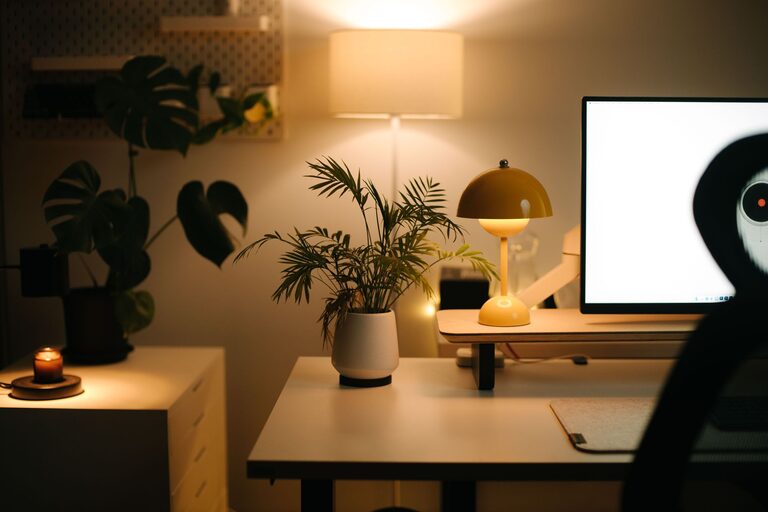

Creating a home office environment that feels relaxing and comfortable can greatly improve your productivity and overall well-being. Whether you work remotely full-time or occasionally need a dedicated space for projects, your surroundings play a crucial role in how you feel while working. In this blog post, we’ll explore practical tips to help you design a home office that promotes calmness, focus, and comfort.
Why a Relaxing Home Office Matters
Spending hours in a space that is cluttered, noisy, or poorly lit can increase stress and reduce your ability to concentrate. A well-designed home office encourages a balanced work routine, helping you stay motivated and maintain a healthy separation between work and personal life.
Choose the Right Location
Find a Quiet Corner
Start by selecting a quiet part of your home where you can work with minimal interruptions. Avoid high-traffic areas like the kitchen or living room if possible. If space is limited, consider using noise-canceling headphones or room dividers to create a boundary.
Maximize Natural Light
Natural light has a positive impact on mood and alertness. Position your desk near a window if you can. If your space lacks natural light, opt for adjustable LED lamps that mimic daylight to reduce eye strain.
Invest in Comfortable Furniture
Ergonomic Chair and Desk
Comfort is key to maintaining focus during long work sessions. Choose an ergonomic chair that supports your lower back and promotes good posture. Pair it with a desk at the right height to avoid strain on your wrists and shoulders.
Adjustable Features
If possible, select furniture with adjustable options. Standing desks or desks with adjustable heights offer flexibility to alternate between sitting and standing, which can boost circulation and reduce fatigue.
Keep Your Space Organized
Declutter Daily
A cluttered desk can be distracting and stressful. Make it a habit to tidy up your workspace at the end of each day. Only keep essentials on your desk and store other items in drawers or shelves.
Use Storage Solutions
Shelves, filing cabinets, and desk organizers help keep documents and supplies neat and accessible. Label storage bins and folders to make it easier to find what you need without feeling overwhelmed.
Personalize Your Workspace
Add Plants
Indoor plants not only beautify your office, but they also improve air quality and provide a relaxing visual break. Choose easy-to-care-for options like snake plants, pothos, or succulents.
Incorporate Calming Colors
Soft, neutral colors like light blues, greens, or beiges can create a calming atmosphere. You may want to repaint your room or add colorful artwork that inspires tranquility and creativity.
Manage Noise and Distractions
Soundproofing Tips
Use soft furnishings like rugs, curtains, and cushions to absorb excess noise. If you live in a noisy area, consider adding weather stripping to windows and doors to block outside sounds.
Use Background Sounds
Some people find that white noise or gentle music helps drown out distractions. Try playlists with instrumental or nature sounds and adjust the volume to a comfortable level.
Optimize Lighting
Layered Lighting
Combine ambient lighting with task lighting for flexibility. Overhead lights provide general illumination, while desk lamps deliver focused light for reading or computer work.
Avoid Glare
Position your computer screen away from direct sunlight or bright lights to reduce glare. Anti-glare screen protectors can also help protect your eyes.
Establish Boundaries and Routine
Communicate Your Work Hours
If you share your home with family or roommates, let them know your work schedule to minimize interruptions.
Take Breaks
Create reminders to take short breaks throughout the day. Stretching, stepping outside for fresh air, or simply moving away from your desk can refresh your mind and body.
Incorporate Technology Wisely
Cable Management
Tangled cables can make your workspace look messy. Use cable clips, sleeves, or boxes to keep cords organized and out of sight.
Reliable Equipment
Invest in reliable technology like a good internet connection, quality headphones, and ergonomic keyboards or mice. Well-functioning equipment reduces frustration and downtime.
Maintain Air Quality and Temperature
Ventilation
Ensure your workspace is well-ventilated by opening windows when possible or using fans to circulate air.
Temperature Control
Keep your office at a comfortable temperature using heaters or air conditioning. Consider a small desk fan or heater if your workspace tends to get too warm or cold.
—
Creating a relaxing home office environment takes some effort, but the benefits to your work and well-being are well worth it. By focusing on comfort, organization, lighting, and personalization, you can build a workspace that supports your best work every day. Remember, your home office is more than just a place to work—it’s a space where you can feel calm, focused, and inspired.
About the Author